
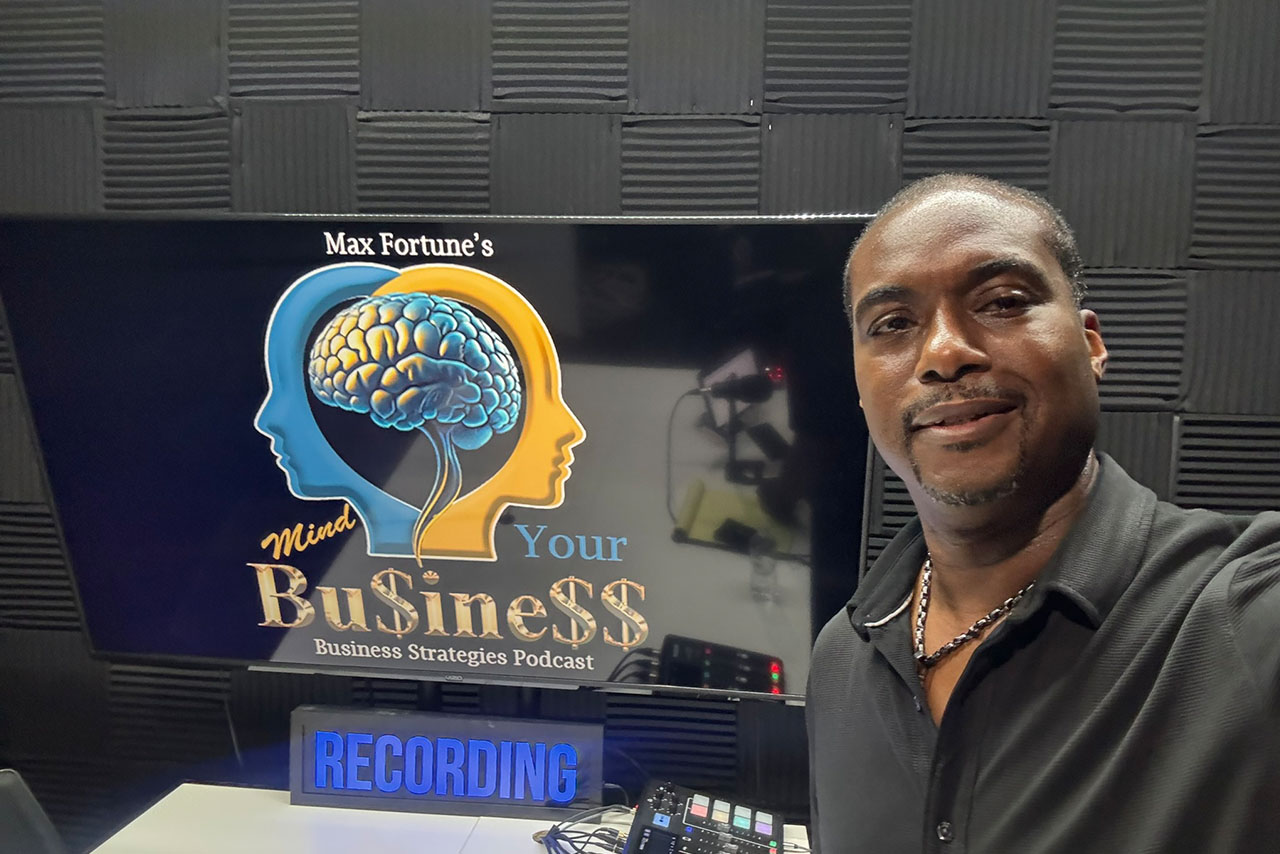
Opportunity often shows up faster than documentation. A promising idea, partner conversation, media invitation, funding path, or customer request can make a founder feel like momentum is the only thing that matters. Max Fortune's own business journey shows how momentum without structure can create expensive lessons.
The video wedding planner chapter carries a practical business lesson: agreements, ownership, roles, and terms matter most when an idea starts attracting attention.
Documentation is not just paperwork. It is memory outside the founder's head. It preserves decisions, expectations, responsibilities, rights, commitments, and evidence. It helps a business survive growth, conflict, turnover, scrutiny, and opportunity.
A founder does not need to become a lawyer to respect documentation. They need to know when an agreement should exist, when professional advice is required, when terms are unclear, and when informal arrangements are creating risk.
Records also support funding readiness. Organized bank records, business identity documents, offer descriptions, contracts, invoices, fulfillment notes, and financial summaries all help outside parties understand what the business is and how it operates.
Documentation before opportunity does not mean delay forever. It means build enough structure that opportunity does not collapse under its own weight.